Guardians of the Canopy: Conserving Cayman’s Parrots
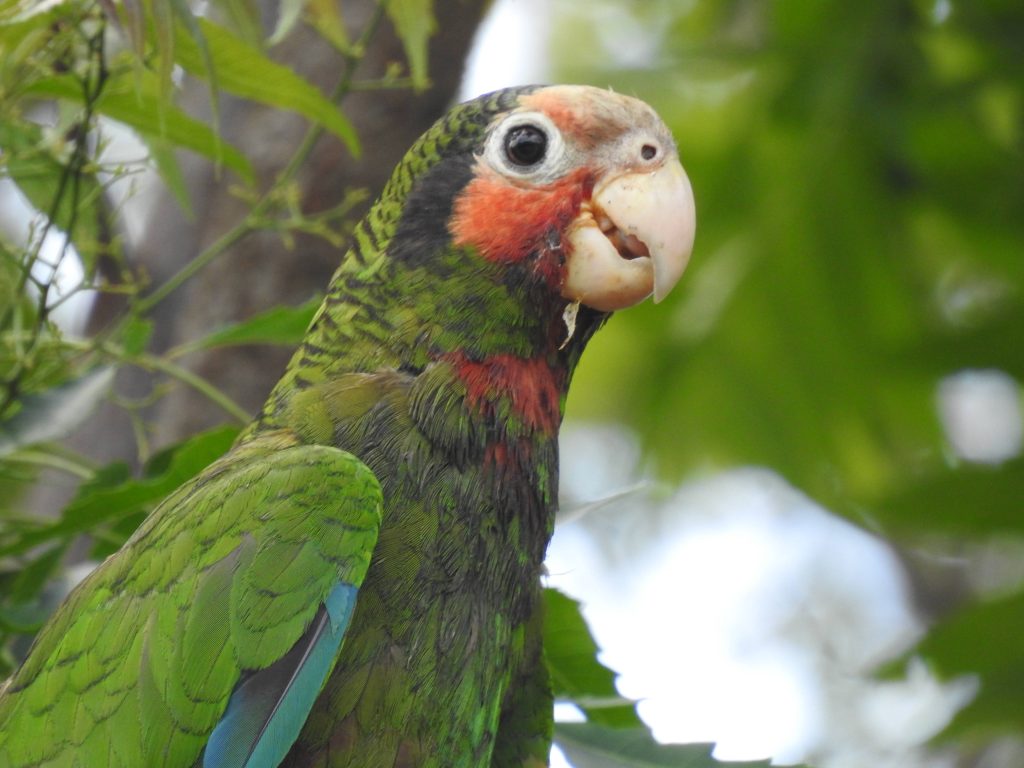
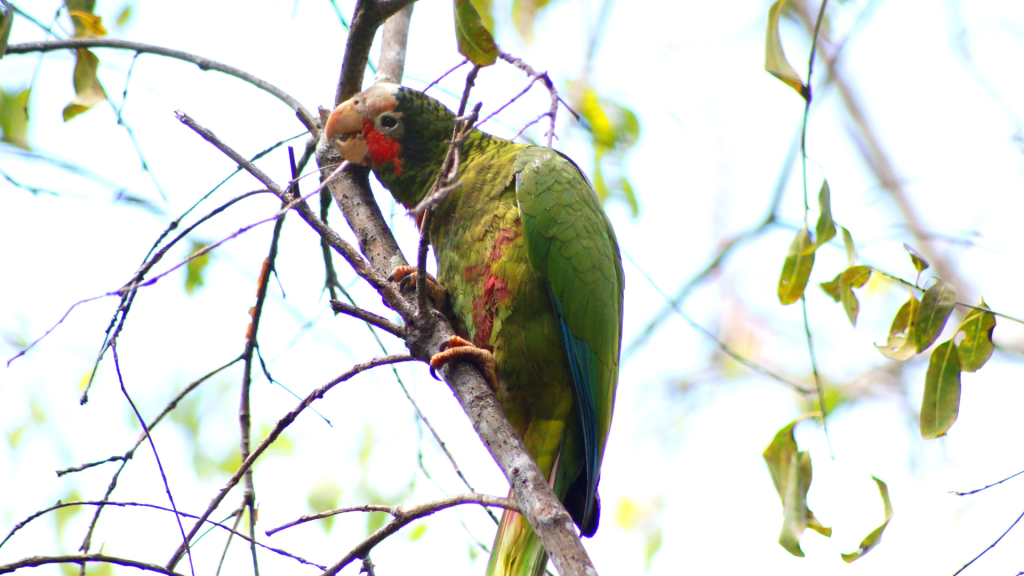
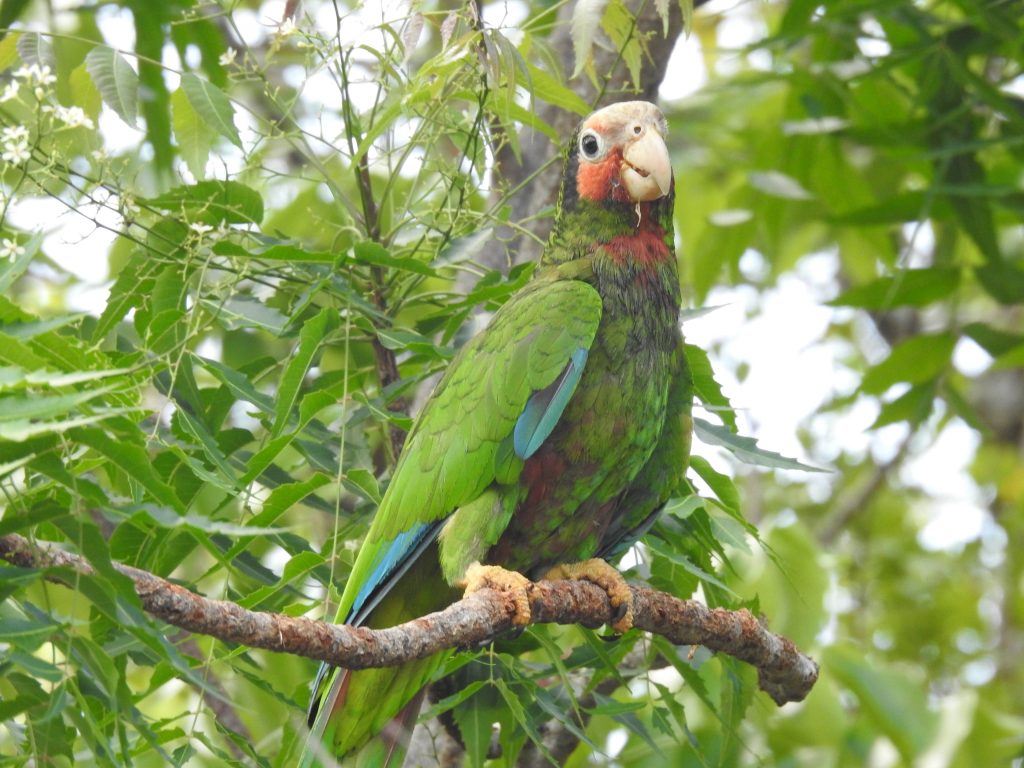
The Cayman Islands are home to two of the Caribbean’s most distinctive and culturally cherished birds: the Grand Cayman Parrot (Amazona leucocephala caymanensis) and the Cayman Brac Parrot (Amazona leucocephala hesterna). These parrots are more than national symbols—they are irreplaceable components of the islands’ natural heritage, shaping forest health, supporting biodiversity, and embodying the uniqueness of Cayman’s ecosystems. Yet despite their exuberance and charisma, both subspecies face mounting pressures that threaten their long‑term survival. Continued poaching, invasive species, and the increasing fragmentation of nesting and feeding sites have pushed these parrots into a precarious position, making conservation action more urgent than ever.
Grand Cayman and Cayman Brac parrots are distinct local subspecies belong to the Amazona leucocephala complex of related parrots stretching from Cayman through Cuba and to the Bahamas
Why Cayman Parrots Matter
The Caribbean has lost more than half of its native parrot species and as endemic subspecies of the Amazon parrot, the Grand Cayman and Cayman Brac parrots occur nowhere else on Earth. Their presence reflects thousands of years of ecological adaptation to the islands’ dry forests, and mangroves. They play a vital ecological role as seed dispersers, helping regenerate native trees such as Red Birch, Wild Fig and Cedar. By carrying seeds across the landscape, parrots maintain forest structure, support food webs, and help natural areas recover after storms.
Culturally, parrots have long been woven into the Caymanian identity. Their bright plumage, raucous calls, and seasonal nesting cycles are familiar markers of the islands’ natural rhythms. They are featured in local art, folklore, and national symbolism, and their survival is deeply tied to the story Cayman tells about itself as a place that values and protects its natural environment.
Population Status: A Tale of Two Islands
Although both local subspecies belong to the Amazona leucocephala complex of related parrots stretching from Cayman through Cuba and to the Bahamas, their situations differ.
Grand Cayman Parrot
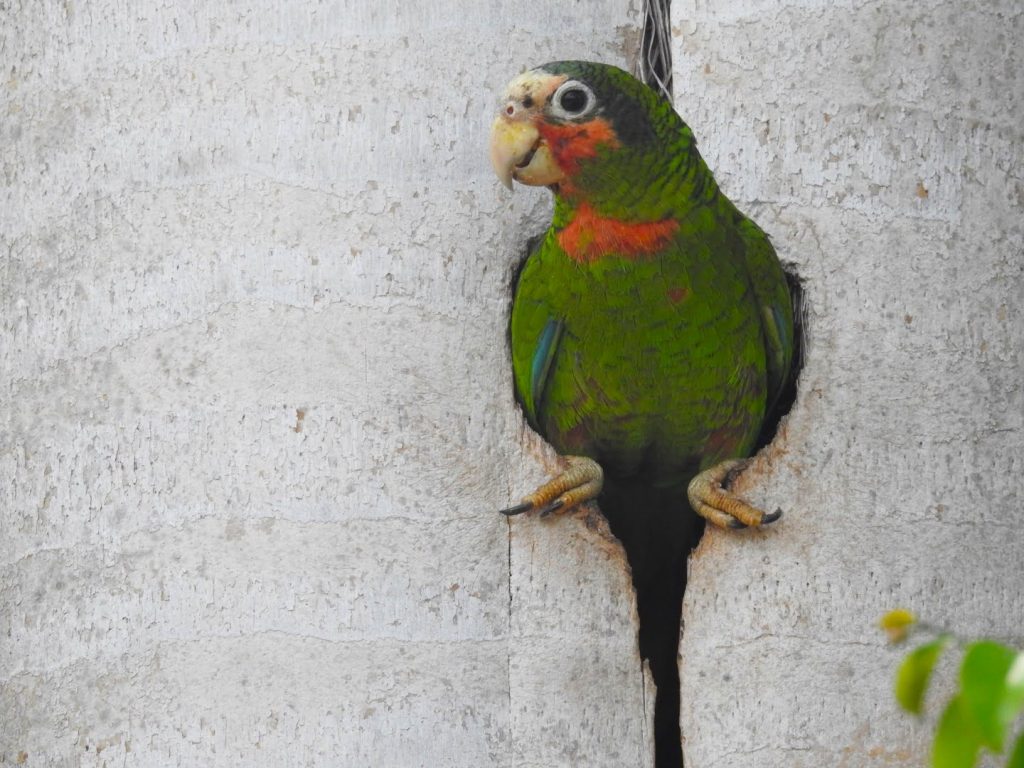
Inhabiting a bigger island, the Grand Cayman Parrot is the more numerous of the two subspecies. However, numbers fluctuate significantly due to hurricanes, habitat loss, and poaching. The species relies heavily on a mosaic of habitats including mature dry forests and mangrove wetlands, where old hollow trees provide essential nesting cavities and even agricultural land that has replaced their native foraging grounds in many places. As development expands across the island, these habitats are shrinking and becoming increasingly fragmented.
Cayman Brac Parrot
The Cayman Brac Parrot is far rarer, with a population that lost over 50% during Hurricane Paloma in 2008. Restricted to a much smaller island, the Brac subspecies is particularly vulnerable to storms, invasive predators, and the loss of old-growth trees on the Bluff. Because the entire population is so confined, two consecutive hurricanes could mean the extinction of the Cayman Brac Parrot.
Threats and Decline: Habitat Loss at the Core
While parrots face multiple threats, habitat loss is the most significant and persistent driver of decline.
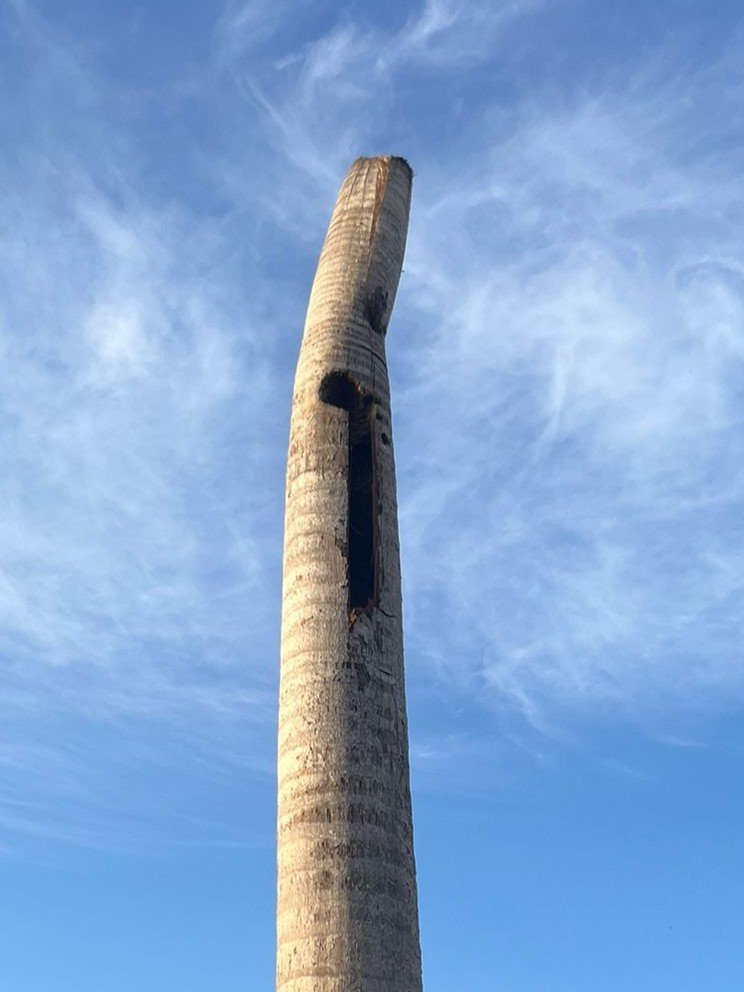
Loss of Nesting Trees and Poaching Both parrot subspecies depend on large, old trees—often centuries old—for nesting. Tree species such as Black Mangrove, Red Cedar, Mahogany, and mature Red Birch develop natural cavities that parrots require for successful nesting.
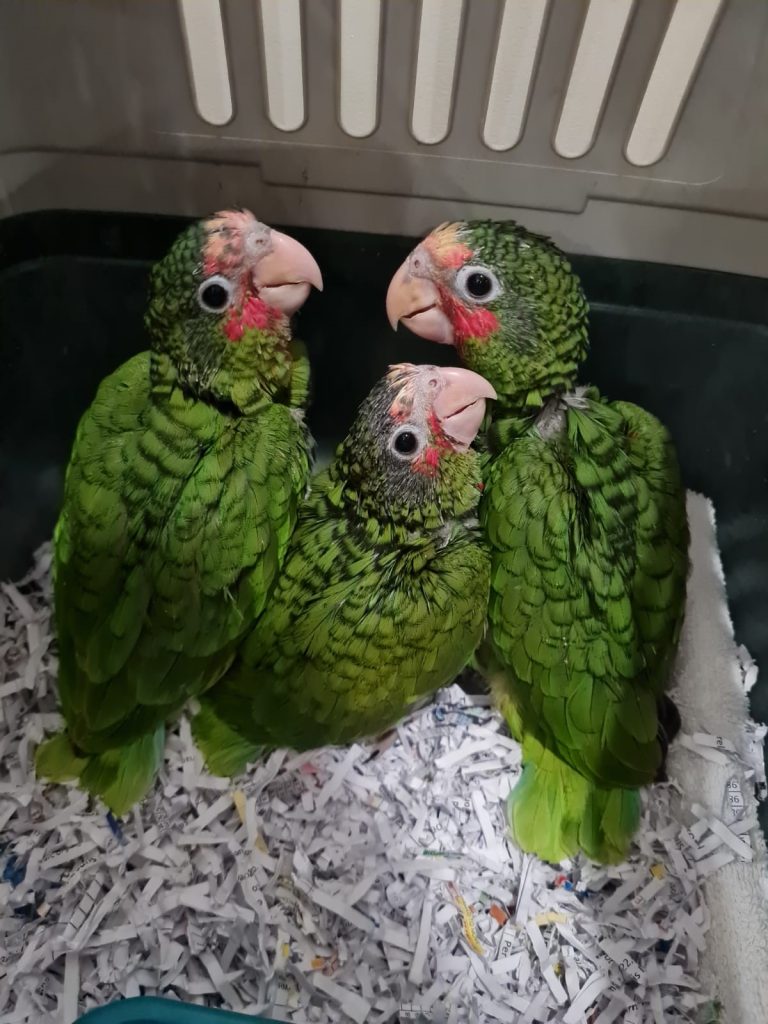
When these trees are cleared for development, agriculture, or in preparation for storms, parrots lose the very structures they need to reproduce. Sadly, nesting trees are also destroyed during poaching events where the nest cavity is hacked open and Cayman Parrot chicks are taken from their nests to supply the ongoing illegal pet trade.
Disturbing parrots or nests, or the taking of eggs or chicks,
is illegal and perpetrators will be prosecuted.
Hurricanes and Decline in Food Trees Severe storms often destroy nesting trees, strip food sources, and directly kill birds through storm impact and falling trees. Climate change is expected to increase the frequency and intensity of such events, compounding existing pressures.
Relying on a diverse diet of fruits, seeds, flowers, and buds from native trees, the loss of native species such as Fig, Red Birch, Seagrape, and Parrot Berry reduces critical food availability, especially during breeding and nesting seasons. Imported ornamental plants and native plants that regrow quickly after clearing are often of limited use to parrots as food resources.
Invasive Predators Roaming cats and dogs and even rats pose significant threats to adult birds, as well as eggs and chicks. Roaming cats are well-known to hunt wildlife and have been documented to have a detrimental effect on wild parrot populations. Rats are adept nest predators, capable of climbing trees and entering nesting cavities to eat eggs and even young chicks.
The Importance of Protecting Forests
Conserving parrots means conserving forests. Protecting and restoring native dry forest, mangrove edges, and Bluff woodland is essential for:
Maintaining nesting cavities
Ensuring year-round food availability
Supporting genetic diversity through connected habitats
Reducing conflict by keeping parrots in natural foraging areas
Forest conservation also benefits countless other species, from bats, birds and native reptiles to orchids, bromeliads, and ironwood, making parrot protection a gateway to broader ecosystem resilience.
A New Chapter: The Darwin Plus Project (DPLPS003)
A major step forward in local parrot conservation is the newly funded Darwin Plus People & Skills project: “Evaluating the conservation needs of Cayman’s critically endangered Amazon parrots” (DPLPS003). Running from October 2025 to September 2027, this £88,924 initiative brings together the Cayman Islands Department of Environment, the Royal Society for the Protection of Birds (RSPB), and the University of Kent’s DICE (Durrell Institute of Conservation & Ecology) programme.
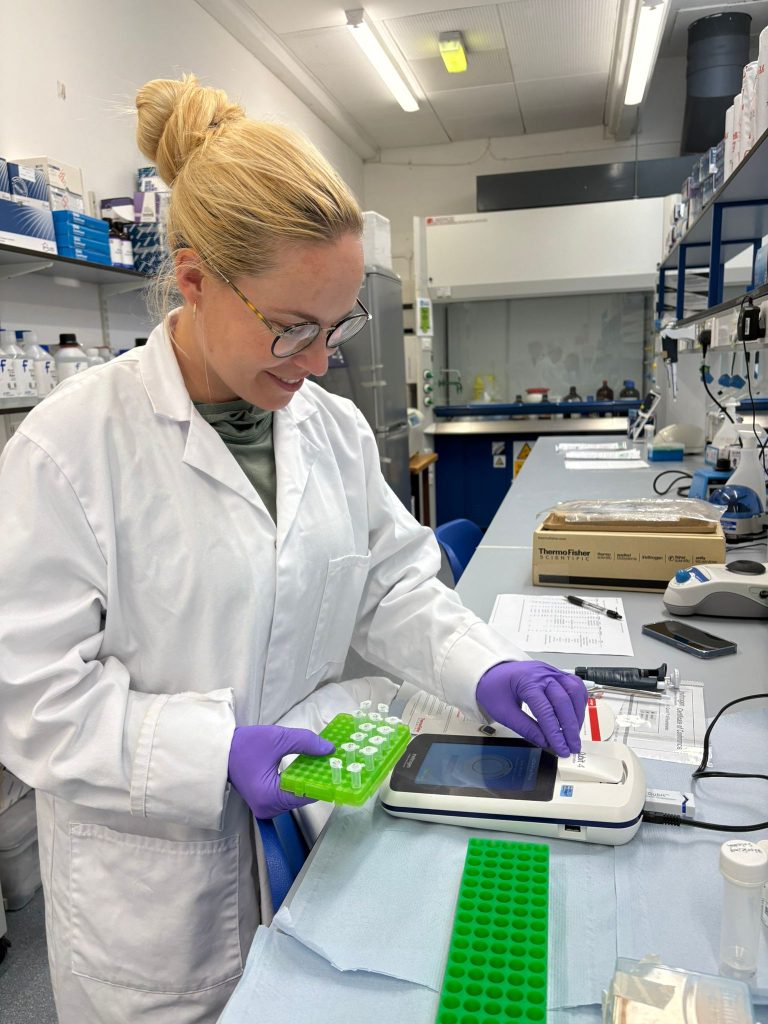
The project aims to understand the genetic health and long-term viability of both the Grand Cayman and Cayman Brac parrot subspecies. Enlisting as a postgraduate student at the Durrell Institute of Conservation & Ecology, DoE’s Terrestrial Research Officer Jane Haakonsson will carry out non-invasive genetic sampling and whole-genome sequencing to assess:
Population diversity and outstanding taxonomic questions
Signs of inbreeding
Effective population size, a crucial measure of how many individuals contribute genetic material to future generations
Future population trajectories under different conservation scenarios
This work will provide the first comprehensive genetic assessment of Cayman’s parrots, offering insights into taxonomy and the resilience of small population sizes—especially on Cayman Brac—and will quantify genetic diversity and inbreeding depression.
Why This Matters
Genetic health is a cornerstone of species survival. Populations with low genetic diversity are more vulnerable to disease, environmental change, and reproductive challenges. By identifying genetic risks early, the project will help guide long-term recovery planning, and the findings will directly inform Cayman’s national conservation policies and strengthen the islands’ capacity to safeguard these iconic birds.
A new genome sequencing project will bring fresh insights to genetic diversity and the population structures of Grand Cayman and Cayman Brac parrots.
Looking Ahead
The future of the Grand Cayman and Cayman Brac parrots depends on decisive action: protecting forests, preserving old trees, restoring degraded habitats, and integrating scientific research into management actions. With the support of the Darwin Plus project and the continued commitment of the Cayman Islands community, there is real hope that these vibrant, intelligent birds will continue to thrive in the wild landscapes that shaped them.
They are part of Cayman’s identity. Ensuring they remain part of Cayman’s future is both a responsibility and a privilege.