
Over 200 years ago in the 1820’s, French physicist Joseph Fourier was studying how certain gases in the atmosphere could trap heat and first described what we now call the greenhouse gas effect. Later that century, in 1856 American female scientist Eunice Foote showed that carbon dioxide could trap heat. Then in 1896, Swedish scientist Svante Arrhenius was among the first to calculate how increases in atmospheric CO₂ could raise Earth’s temperature. By the 1950’s, research directly linked fossil fuel burning to rising CO₂ levels and as supporting evidence mounted in the mid 70’s and 80’s, climate change started entering wider public discussion. The early predictions of what to expect in a warming world have been remarkably accurate over the past several decades, with many models having forecast the trends we see today.
The warming of the Earth by 1.5 degree Celsius (above pre-industrial revolution levels) has long been identified as a critical ‘red line’ for monitoring our planet’s response to climate change. Here in Cayman and the Caribbean, we have experienced noticeable increases in both air and sea temperatures, followed by the predicted increase in frequency and intensity of storms, changing rainfall patterns and the sharp decline of our coral reefs after near-yearly bleaching events.

The Global Tipping Points Report
Foreseeing the coming climate change effects, the Global Tipping Points Report was established in 2023 to identify and monitor specific environmental benchmarks to help individuals, communities, and governments better understand what is happening and what is likely to come as our Earth continues to warm. Coral reefs are identified as the first ecosystem to be affected by warming temperatures signaling the first “tipping point” in the scale. The report tracks the health of key global ecological processes and ecosystems including coral reefs, ice sheets, ocean currents, mountain glaciers, and the Amazon rainforest. It also emphasises the connectivity between global, regional and local ecosystems and points to the level of change that will be needed to mitigate against significant impacts. The overall message is one of hope – provided we are prepared to take action at a global scale, all the way through to an individual level.

Coral reefs are the first tipping point
Identified as the first ecosystem to be affected in the tipping point scale, coral reefs around the globe are experiencing unprecedented dieback, threatening the health, safety and livelihoods of hundreds of millions of people. The 2025 Tipping Point Report contends that with global temperatures now breaching the 1.5 degrees Celsius marker, coral reefs are crossing their threshold of being able to fully recover.
An article published on theconversation.com describes tipping points as a metaphor for runaway change across global systems and not necessarily the final nails in an ecosystem’s coffin. Part of the report’s purpose is to drive the action needed for mitigation, if not the reversal, of tipping point trajectories. Reducing the pressures under our control remains the most impactful means of moving our planet’s health in the right direction. For coral reefs this means taking action locally and regionally to reduce overfishing, pollution and nutrient loading while making significant strides to reduce reliance on the fossil fuels perpetuating the massive CO₂ imbalance.
The science of reef resilience
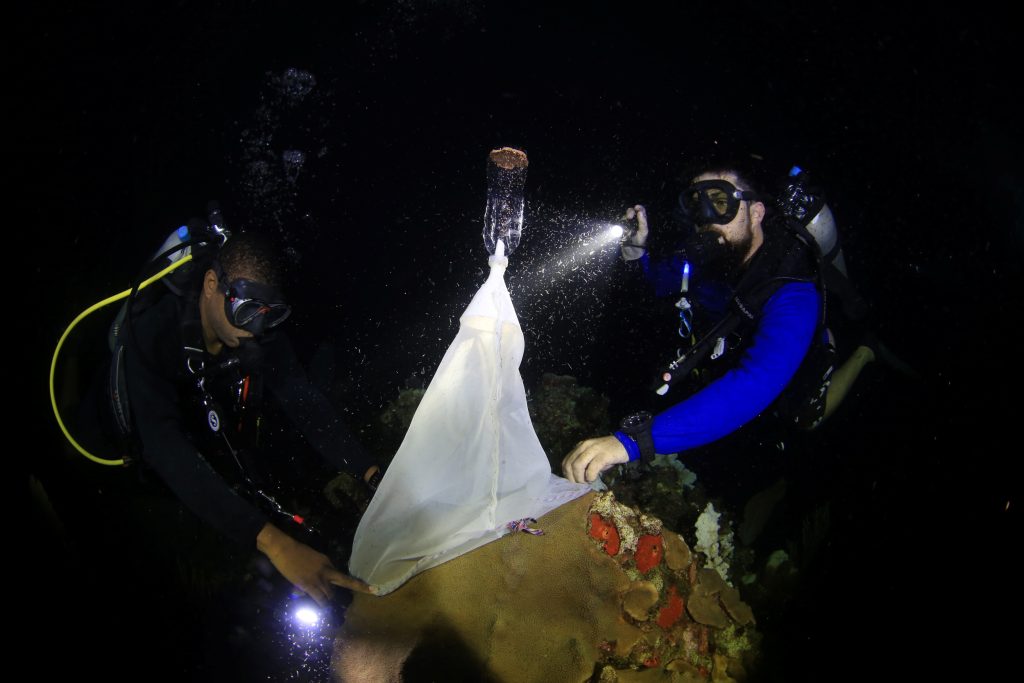
Despite almost 40 years of marine parks and management that has helped to set the standard regionally (and perhaps even internationally), Cayman’s reefs continue to decline after decades of battling increasing bleaching events, disease and ocean acidification. As our reefs move beyond what traditional conservation management measures alone can address, the Department of Environment’s Coral Conservation team has begun testing a small coral spawning laboratory, established in 2023 thanks to a generous donation from the Fosters Group. To date, the coral team has successfully spawned 2 types of reef-building coral, symmetrical brain coral (Pseudodiploria strigosa) and mountainous star coral (Orbicella faveolata), and are among the first in the Caribbean to achieve coral spawning, larval settlement, and post-settlement growth in the laboratory.

Although the controlled lab setting offers shelter from the warming oceans, the complexities of manipulating various elements to help encourage more resilient corals while maintaining a steady and healthy environment artificially, remain an extreme and fulltime challenge. The coral crew must spend countless hours monitoring and adjusting aquarium water quality and temperature and addressing disease outbreaks and infestations of predatory parasites, all which have the capacity to destabilise the system and risk losing thousands of newly growing coral recruits.
But the work is paying off.
Baby corals spawned in 2024 just celebrated their first birthday with a 90% survival success rate. Another 500 juveniles were recruited from the September 2025 spawning events and are also doing well. Each spawning event can yield 2000 – 8000 coral recruits, but after spawning it then takes around three years for colonies to mature before being planted out on the reef. The next stage is to find the additional space and infrastructure needed to take coral spawning research through the growth phase, and beyond. Self-contained coral spawning laboratory containers and adjacent outdoor raceways for growing the corals to a size they can be outplanted are one of the ways coral labs like ours have expanded operations. But while this is happening, the climate is still tipping against the corals.
Manipulating the environments lab corals grow in may help to prepare them for maximum resilience before being moved out on to the reef. The science is still very new but there is an increasing number of similar coral labs experimenting around the world and the implications for Cayman’s reefs – and even those regionally – are promising. Local marine research team, Central Caribbean Marine Institute (CCMI) based in Little Cayman has a Reef Ecology and Evolution Laboratory (REEL) which examines population structure, reproductive ecology, and genetic connectivity on tropical coral reef ecosystems with a goal of understanding of how coral reefs and all of the organisms that reside there will not only survive, but thrive, under future environmental conditions.
Our future depends on reef futures
Coral reefs cover less than 1% of the ocean floor but support around 25% of all marine life. They clean our air, impact rainfall and protect our coastlines, provide food and recreation, support the economy through tourism and even produce many compounds needed for medicines. But even as reefs around the world are dying, there is hope in people following through on the actions we now know are capable of slowing things down.
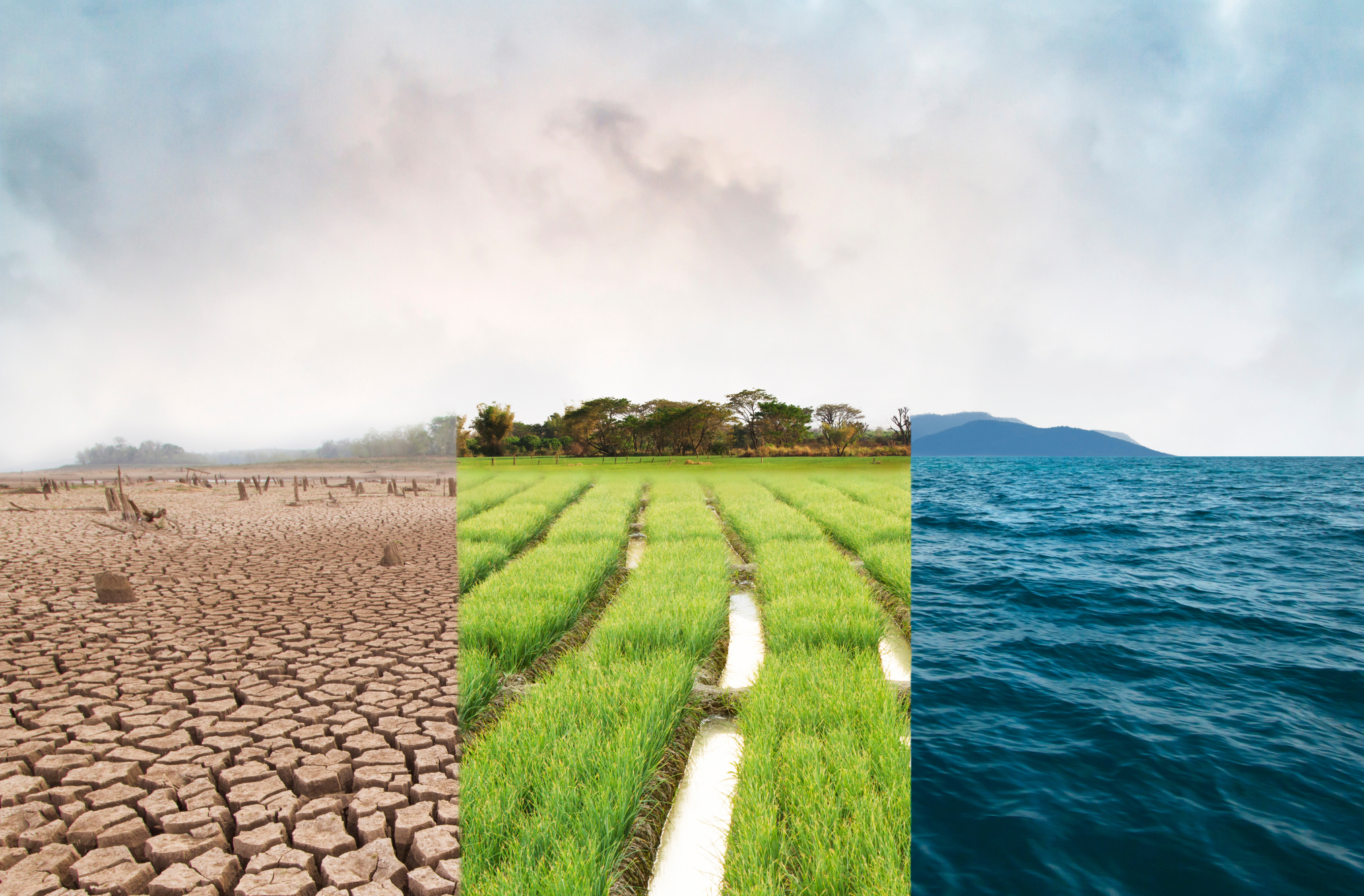
Switching as quickly as possible from fossil fuel generated electricity to renewable energy coupled with protecting wetlands and other important carbon sequestration and storage systems, planting more trees and cautious decision-making when removing them are among the most significant changes we can make to reduce our carbon footprint.
But it’s also the daily actions like carpooling, reducing driving time, reducing overfishing and reducing the amount of fertilizers and other nutrients released into the marine environment, that are the conscious choices we can make every day as individuals, a community and a nation which compound over time to reduce our impacts on the environment locally and globally.
By doing everything we can to slow down the pace towards the tipping points, we are doing our part to ensure that future generations of Caymanians have an opportunity to experience the beauty and abundance of our natural world which contributes so significantly to the quality of life we lead today.
Additional Resources
Tipping Point Report
Scientific Paper: Coral die-off marks Earth’s first climate ‘tipping point’, scientists say
TheConversation.com Article